The Psychology of Beautiful Spaces: Why Great Design Is About More Than Aesthetics
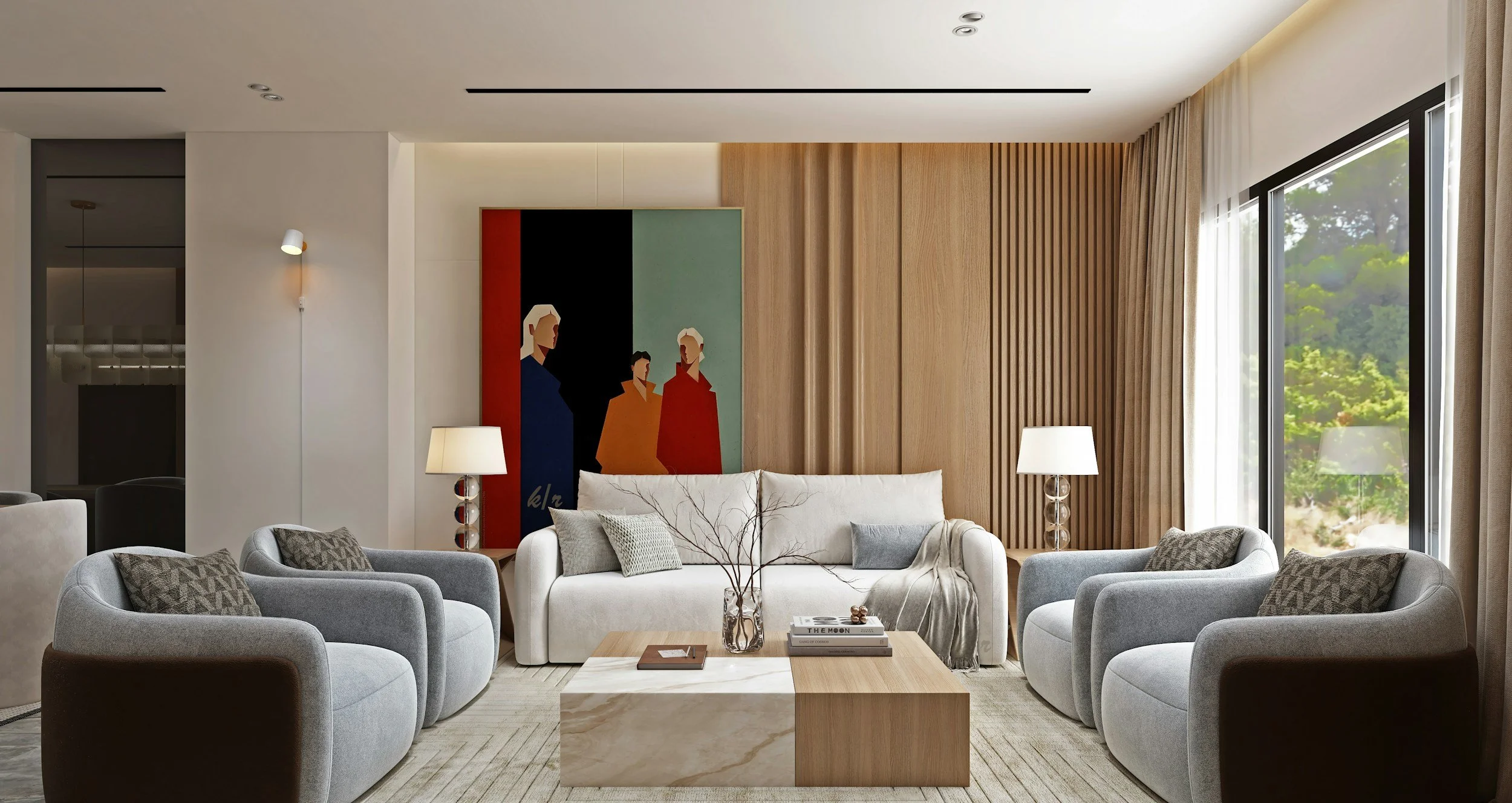
How Thoughtful Interior Design Shapes Our Emotions, Well-Being, and Everyday Life
By Written by Lori, Founder & Editor of Entire Magazine
Walk into a room you've never seen before.
Before you notice the furniture, the artwork, or the carefully chosen finishes, something else happens. Your shoulders relax—or they don't. You feel energized, comforted, inspired, or perhaps subtly unsettled.
Within moments, your brain has already begun interpreting the environment around you.
Light, color, texture, proportion, sound, and the way a room naturally guides movement all influence how we feel, often before we consciously recognize why.
This is the psychology of beautiful spaces.
The most memorable interiors aren't simply beautiful because they photograph well. They're memorable because they evoke emotion. They invite us to linger a little longer over morning coffee, gather around the dining table, sleep more deeply, or simply exhale after a busy day.
As our homes increasingly serve as places to live, work, entertain, and recharge, the conversation around design has shifted. Today, exceptional interiors are measured not only by their aesthetics but also by how they support our well-being.
Because great design isn't just something we see.
It's something we feel.
What Is the Psychology of Beautiful Spaces?
The psychology of beautiful spaces explores how our surroundings influence our emotions, behaviors, and overall well-being. Rooted in environmental psychology, this field examines the relationship between people and the environments they inhabit—from private homes and workplaces to hotels, restaurants, and public spaces.
Research has shown that elements such as natural light, color, spatial layout, texture, acoustics, and our connection to nature can influence stress levels, creativity, productivity, mood, and even the quality of our sleep.
While we often associate interior design with aesthetics, its impact extends far beyond visual appeal.
The spaces we inhabit quietly shape how we think, interact, and experience everyday life.
Why Our Homes Affect the Way We Feel
Home has become more than a place to return to at the end of the day.
For many of us, it's where we begin our mornings, work remotely, celebrate milestones, raise families, host friends, and seek comfort after life's inevitable challenges.
Every design decision contributes to that experience.
A cluttered room can create mental fatigue. A thoughtfully organized space often feels calming. Natural light can lift our mood, while layered lighting creates warmth and intimacy after sunset.
Even ceiling height influences perception. Studies suggest expansive spaces may encourage creative thinking, while more intimate environments often foster meaningful conversation and connection.
These subtle cues shape our emotional responses every day—often without us realizing it.
The Science Behind Light and Mood
Few design elements have a greater impact than light.
Natural daylight plays an essential role in regulating our circadian rhythms, the internal clock that influences sleep, energy, and overall well-being. Homes designed to maximize daylight often feel brighter, more inviting, and emotionally uplifting.
As evening approaches, softer ambient lighting encourages the body to unwind.
Thoughtfully layered lighting—including recessed fixtures, sconces, table lamps, and accent lighting—creates depth while allowing a space to transition naturally throughout the day.
Great lighting doesn't simply illuminate a room.
It shapes the atmosphere.
The Comfort of Natural Materials
Have you ever noticed how certain spaces immediately feel warm and welcoming?
Often, it's because they incorporate materials that connect us to nature.
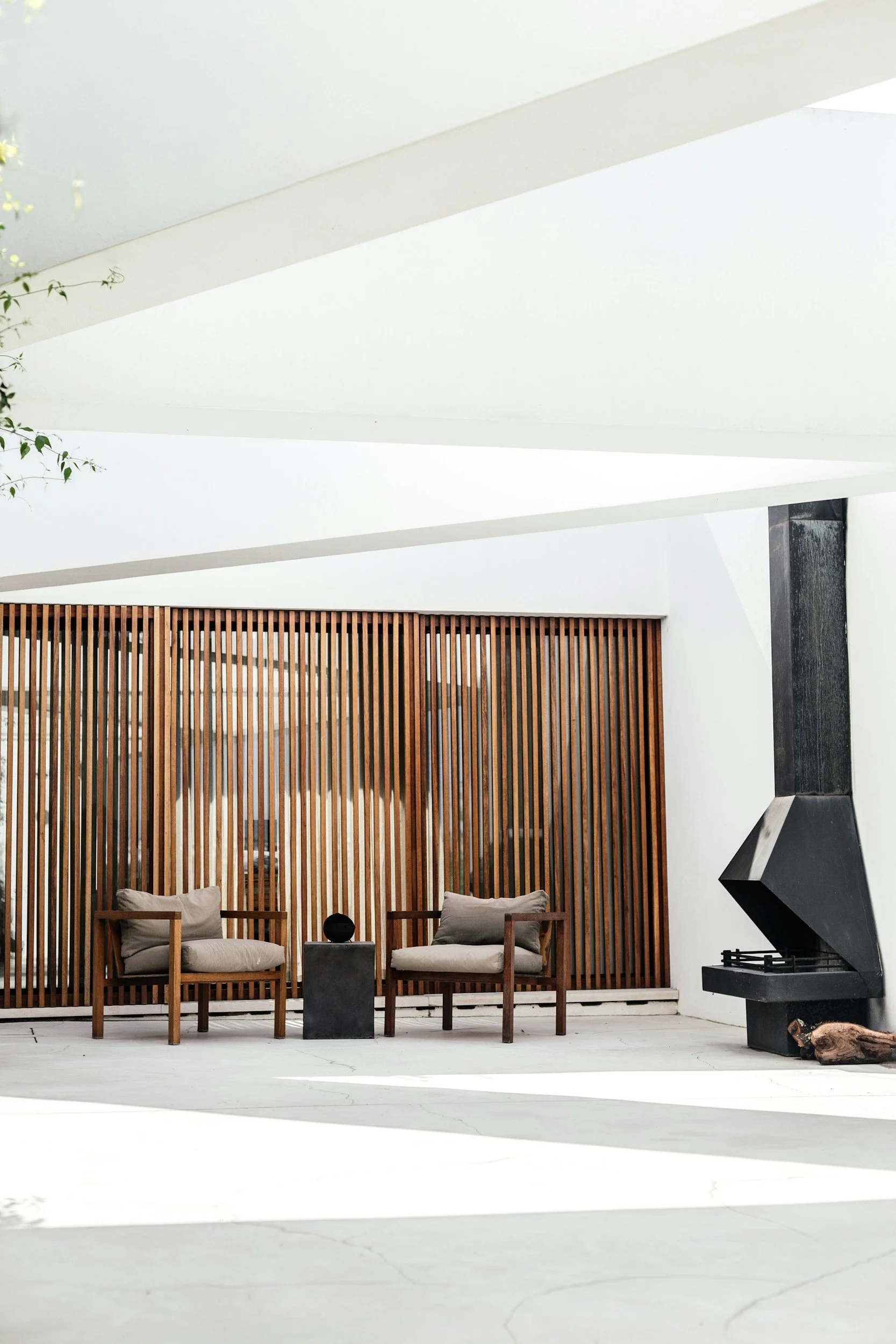
Natural oak, limestone, linen, wool, clay, marble, and handcrafted ceramics bring richness and authenticity that synthetic materials often struggle to replicate.
Designers refer to this approach as biophilic design—the practice of strengthening our connection to the natural world through architecture and interiors.
Whether through living plants, expansive windows, organic textures, or natural materials, biophilic design has become one of the defining principles of modern luxury.
Rather than overwhelming the senses, these spaces create a quiet sense of balance.
Beautiful Spaces Encourage Human Connection
Some of our most cherished memories aren't tied to objects.
They're tied to places.
The kitchen where conversations lasted well beyond dessert.
The reading chair where bedtime stories became family traditions.
The dining room where holidays brought generations together.
Exceptional design supports these moments rather than competing with them.
Open layouts encourage conversation. Comfortable seating invites guests to stay longer. Carefully considered flow makes a home feel intuitive rather than complicated.
The most successful interiors aren't designed around furniture.
They're designed around people.
Designing for Daily Rituals
Luxury today looks different than it once did.
Instead of focusing solely on grandeur, many homeowners are investing in spaces that elevate everyday routines.
A quiet breakfast nook bathed in morning sunlight.
A spa-inspired bathroom that transforms an ordinary evening into a restorative ritual.
A cozy library where the day's pace naturally slows.
These moments may seem small, yet they shape how we experience our lives.
Great design honors the rituals that matter most.
Why Hotels Are Embracing the Psychology of Design
The hospitality industry has long understood something homeowners are increasingly discovering: how a space makes people feel is just as important as how it looks.
Leading boutique hotels and luxury resorts now prioritize wellness alongside aesthetics, incorporating calming palettes, natural materials, thoughtful lighting, acoustic comfort, and immersive sensory experiences.
Guests rarely remember every design detail.
They remember how peacefully they slept.
How welcomed they felt.
How difficult it was to leave.
The best hospitality doesn't simply provide a beautiful room.
It creates an emotional experience.
The Future of Interior Design Is Human-Centered
As neuroscience, wellness, and environmental psychology continue to influence architecture and design, the future of interiors is becoming increasingly personal.
Rather than asking, What will impress visitors? homeowners are beginning to ask a more meaningful question:
How do I want this space to make me feel?
That subtle shift is changing everything.
Design is becoming less about following trends and more about creating environments that support health, connection, creativity, and joy.
Perhaps that's what true luxury has always been.
Not perfection.
But a home that quietly helps us become the best version of ourselves.
Final Thoughts
Beautiful spaces aren't defined by square footage, designer labels, or perfectly curated shelves.
They're defined by the way they make us feel.
Whether it's a thoughtfully designed home, a welcoming boutique hotel, or a favorite neighborhood café, the environments we create have the power to calm the mind, strengthen relationships, and enrich everyday life.
In the end, great design isn't about decorating a room.
It's about designing a life.
Frequently Asked Questions
What is the psychology of beautiful spaces?
The psychology of beautiful spaces examines how interior design, architecture, lighting, color, and layout influence human emotions, behavior, and well-being through principles of environmental psychology.
What is biophilic design?
Biophilic design incorporates natural elements—such as daylight, wood, stone, plants, and views of nature—into built environments to create healthier, more restorative spaces.
Can interior design improve mental well-being?
Thoughtful interior design can contribute to well-being by reducing visual clutter, maximizing natural light, supporting relaxation, encouraging social interaction, and creating spaces that feel comfortable and restorative.
Why is lighting important in interior design?
Lighting influences mood, supports healthy sleep patterns, highlights architectural features, and helps create different atmospheres throughout the day, making it one of the most impactful elements of any space.
Join the Entire Community
If you enjoyed this story, you'll love what's next.
Every week, Entire Magazine shares thoughtful editorials on interior design, architecture, hospitality, travel, wellness, and intentional living—along with beautifully curated spaces from around the world.
Subscribe to The Entire Edit—our weekly editorial featuring inspiring homes, remarkable destinations, thoughtful design, and stories that celebrate intentional living.
Follow @EntireMagazine on Instagram for daily inspiration, behind-the-scenes features, and the latest articles from the magazine.
Because beautiful living begins with thoughtful inspiration.